Pilia ang Pinulongan

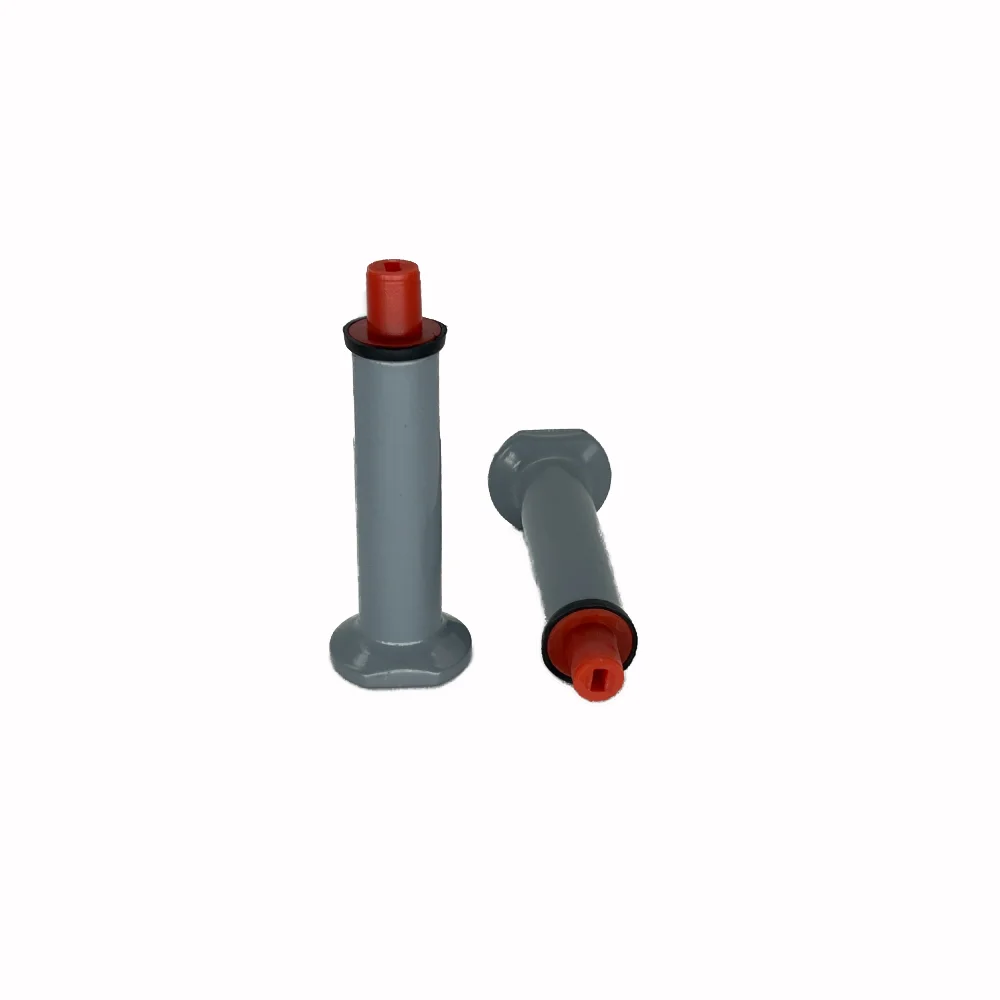
In the world of high-precision mechanical engineering,vibration is the silent adversary of performance.Whether it is an industrial CNC machine,an automotive powertrain,or a sensitive medical imaging device,the transmission of unwanted mechanical energy can lead to more than just noise—it leads to material fatigue,sensor drift,and catastrophic component failure.While components like fasteners and structural frames receive the lion’s bahin of design attention,the damping block often dictates whether a system achieves its intended lifecycle or suffers premature failure.
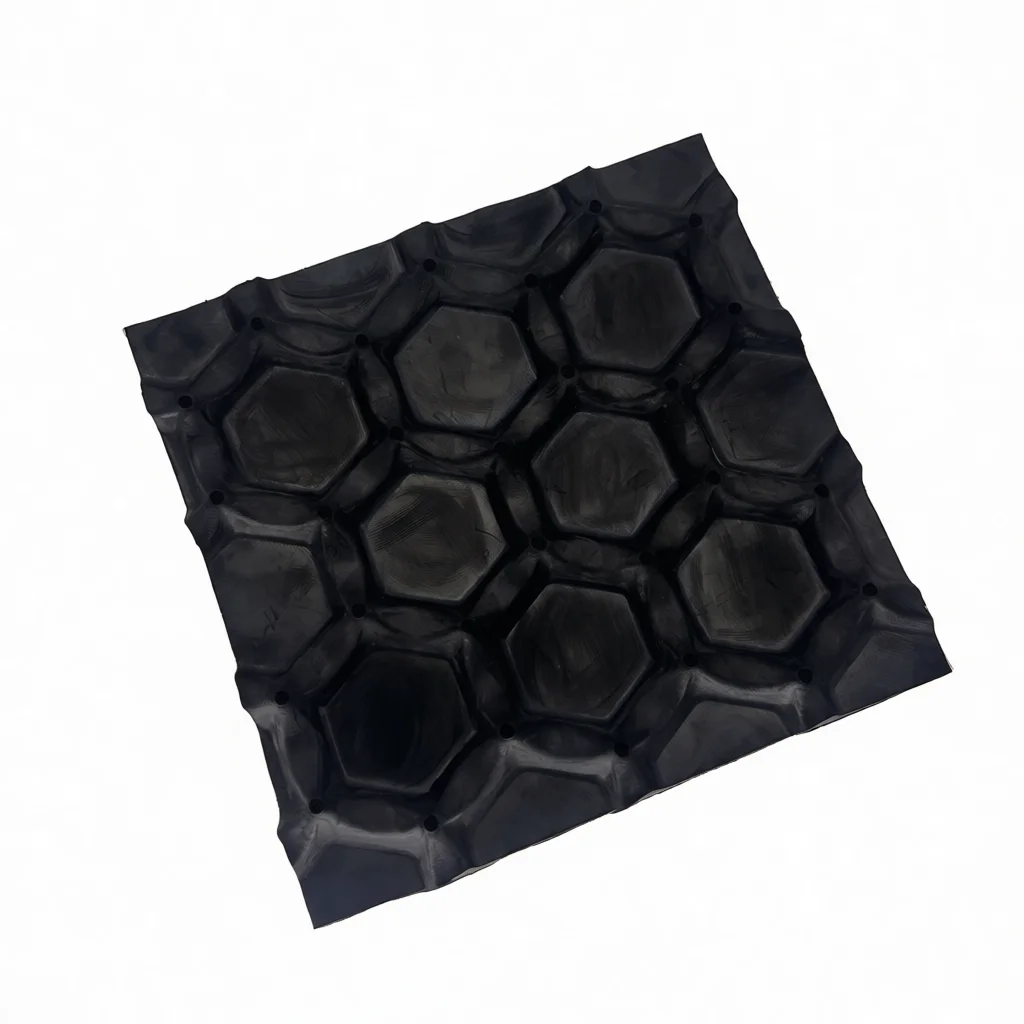
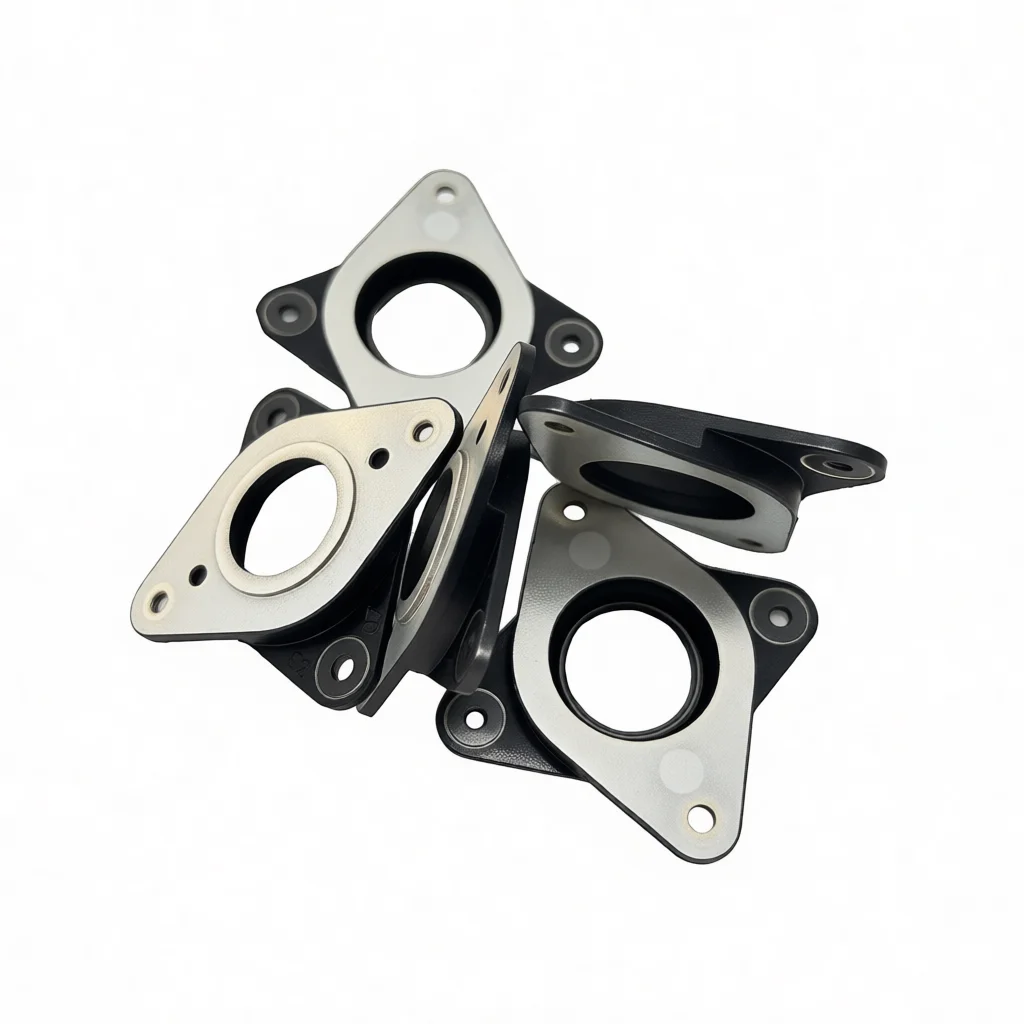
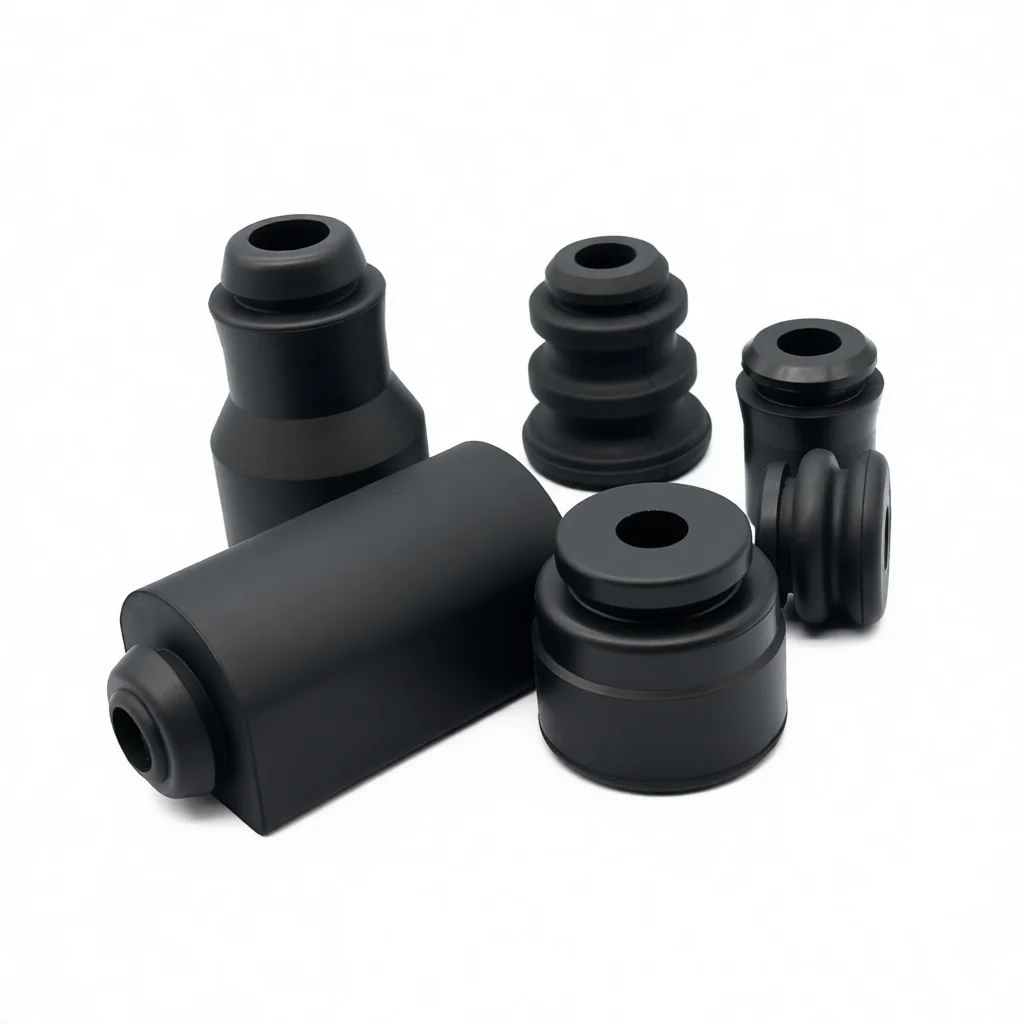
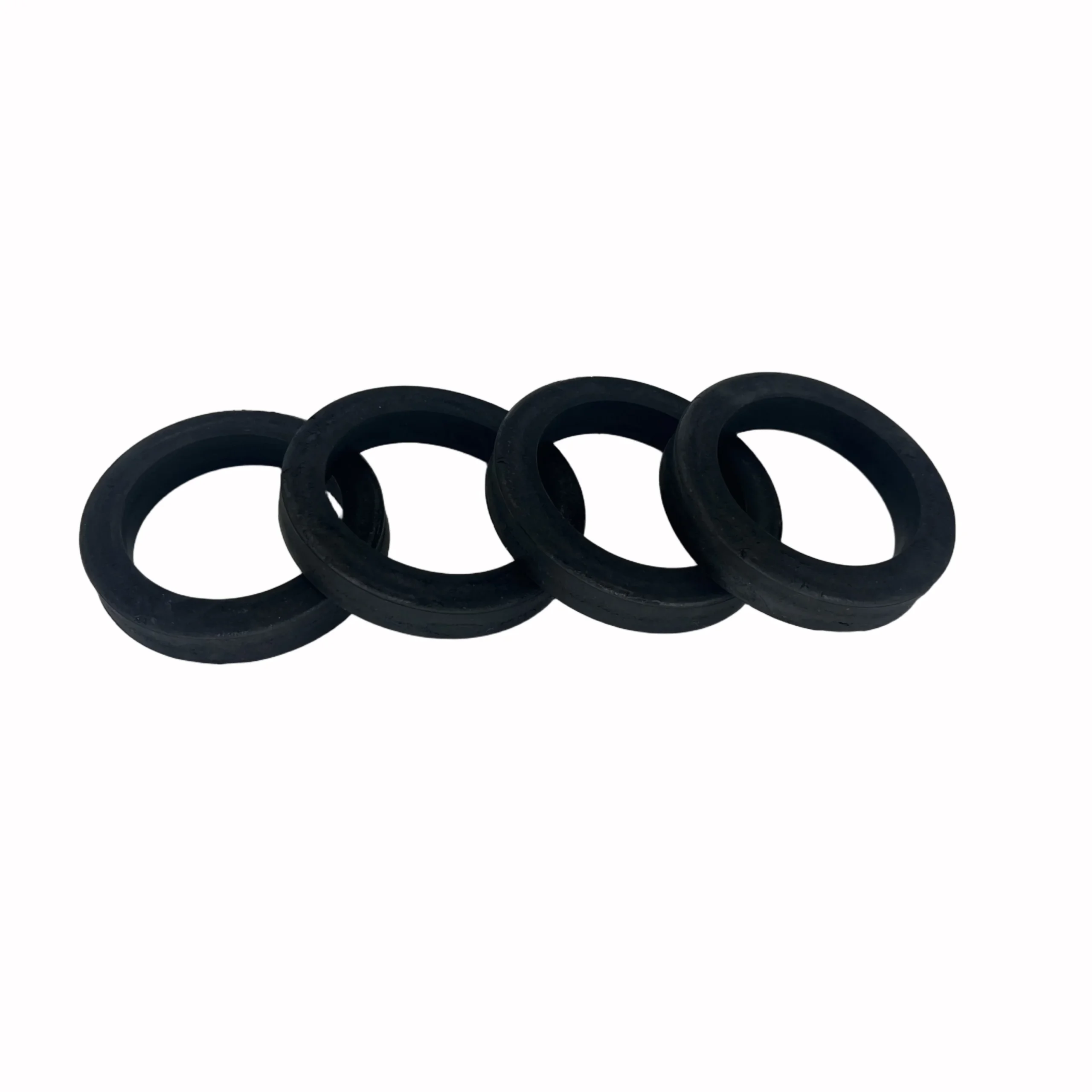
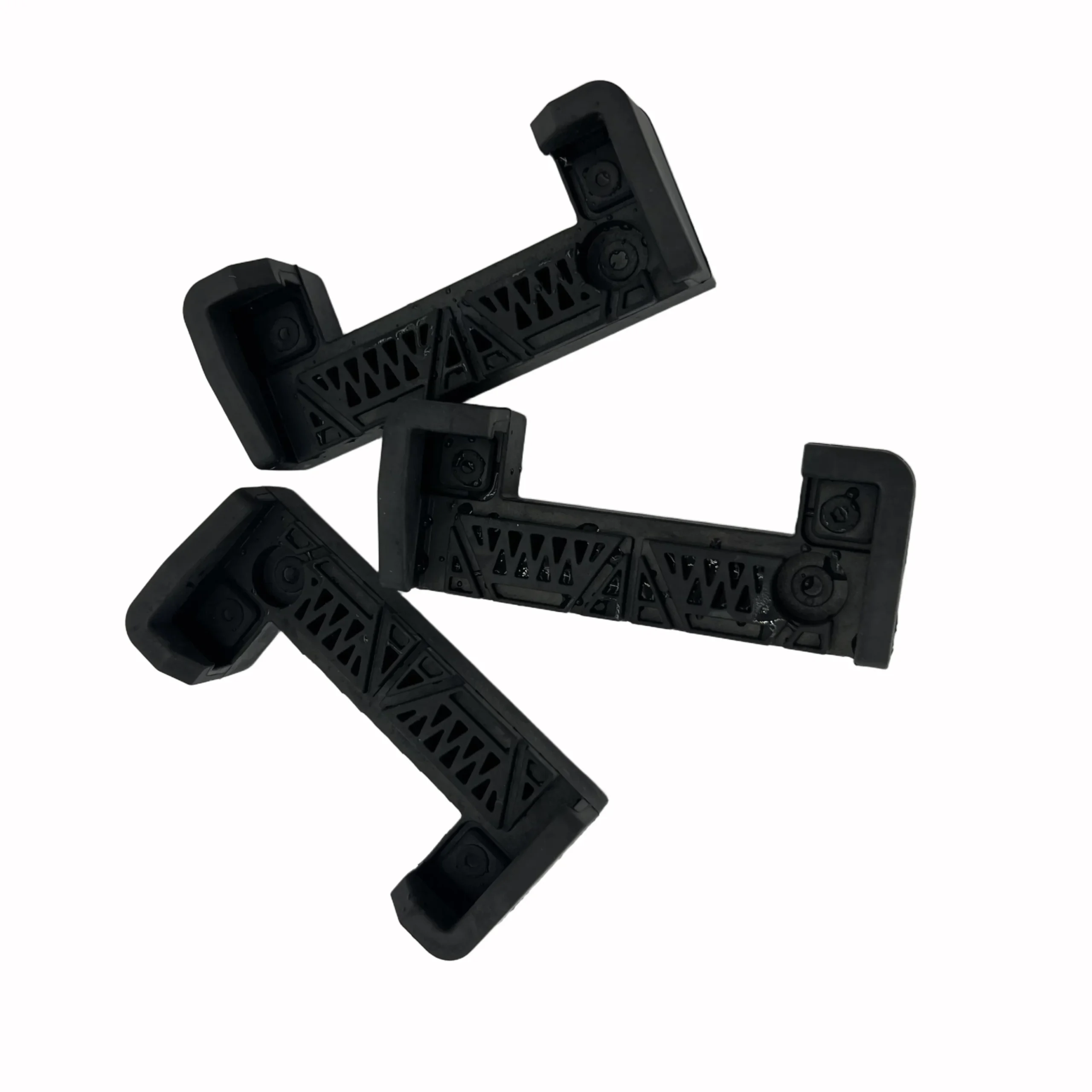
At Guangdong Sunlite Science&Technology Co.,Ltd.,we approach vibration management through the lens of material science.A damping block is not merely a rubber spacer;it is a critical energy-dissipation component engineered to isolate systems from resonant frequencies.When designing for reliability,neglecting the damping interface is an expensive oversight that compromises the entire assembly.
Engineering the Mitigation:Technical Breakdown
The primary function of an engineered damping block is to manage the kinetic energy generated by rotating equipment or external environmental disturbances.Unlike generic mounting components,high-performance damping blocks utilize materials with specific viscoelastic properties—the ability to exhibit both viscous and elastic characteristics when undergoing deformation.
When a mechanical system vibrates,the damping block acts as a mechanical"sponge,"converting kinetic energy into negligible amounts of low-grade heat.The effectiveness of this process is defined by the material’s loss factor(tanδ).Our engineering process involves tuning the molecular structure of the elastomer to ensure the tanδis optimized for the specific frequency range of the Aplikasyon,ensuring that energy is dissipated rather than transmitted or reflected.

Comparison:Engineered Damping Blocks vs.Conventional Rigid Mounts
Feature | Guangdong Sunlite Engineered Damping Block | Conventional Rigid/Hard Mounting |
Energy Dissipation | High(Viscoelastic Hysteresis) | Near Zero(Energy transmission) |
Resonance Control | Suppresses amplitude at critical frequencies | Amplifies vibration at natural frequency |
Material Memory | Excellent(Minimal Compression Set) | Poor(Permanent deformation/cracking) |
Service Life | Optimized for long-term fatigue resistance | High risk of mechanical failure |
Thermal Stability | Consistent performance across-40°C to+150°C | Subject to hardening or brittleness |
The critical engineering distinction dinhi is compression set resistance.Generic rubber mounting blocks often lose their elasticity under constant load,flattening over time and losing their ability to isolate vibration.By utilizing advanced vulcanization processes and high-grade polymers,Sunlite ensures our damping blocks maintain their mechanical properties throughout the entire operational duty cycle.
Real-World Aplikasyons:Wdinhi Precision Meets Protection
Damping blocks are integral to systems wdinhi structural stability is the primary indicator of Produkto quality.
1.High-Precision Industrial Automation
In CNC machining and automated assembly lines,high-frequency vibrations from high-speed motors can propagate through the chassis,causing microscopic inaccuracies in tool paths.A precision-engineered damping block at the motor-to-chassis interface ensures that vibrations are localized,Ka PREVenting"chatter"and preserving the finish quality of the manufactured part.
2.Automotive NVH(Noise,Vibration,Harshness)Reduction
Automotive engineers utilize damping blocks to isolate the cabin from powertrain oscillations and road noise.In Electric Vehicles(EVs),wdinhi the traditional masking effect of engine noise is absent,these components are even more critical.Our blocks dampen high-frequency inverter hum and road-induced mechanical stress,significantly improving cabin comfort and component longevity.
3.Sensitive Electronic Housing
High-density electronics are susceptible to connection fatigue caused by persistent mechanical resonance.By integrating damping blocks into the PCB mounting points,we provide a stable foundation that Ka PREVents solder joint cracking and connector loosening,ensuring the reliability of ADAS and control systems in harsh vehicular or industrial environments.

Kanunay nga gipangutana Mga Pangutana(FAQ)
1.How do I choose the correct durometer(Shore A hardness)for a damping block?
The required hardness depends on the load carried by the mount and the operating frequency.A heavier load typicTanBisan unsa requires a higher durometer to Ka PREVent excessive compression,while high-frequency vibrations often require softer materials to achieve effective isolation.Our engineers analyze your specific force profile to recommend the optimal Shore A rating.
2.How does temperature affect the performance of a damping block?
Temperature fluctuations can alter the viscoelasticity of rubber.Our damping blocks are engineered to remain stable across wide temperature ranges,Ka PREVenting the material from becoming too soft in heat or brittle in cold,which ensures consistent damping performance regardless of environmental conditions.
3.What is the advantage of using Sunlite’s custom-molded blocks versus standard sheet-cut rubber?
Standard sheet-cut rubber lacks the precision geometry required for complex vibration paths.Custom-molded blocks Tananow for features such as stress-relief geometries,varying cross-sectional thicknesses,and precise seating interfaces,Tanan of which optimize the damping response and ensure the part is perfectly integrated into your assembly.
Partner with Guangdong Sunlite Science&Technology Co.,Ltd.
Vibration is an inevitable outcome of mechanical motion,but system failure is an avoidable consequence.At Guangdong Sunlite Science&Technology Co.,Ltd.,we view ourselves as an extension of your engineering team.From material selection and vibration frequency analysis to custom mold design and prototyping,we are dedicated to providing components that ensure the long-term reliability of yAmong produktos.
Ready to optimize your mechanical performance?
Contact our engineering team todayto discuss your technical specifications,request material testing,or receive a consultation on your vibration control chTananenges.

In the world of high-precision mechanical engineering,vibration is the silent adversary of performance.Whether it is an industrial CNC machine,an automotive powertrain,or a sensitive medical imaging device,the transmission of unwanted mechanical energy can lead to more than just noise—it leads to material fatigue,sensor drift,and catastrophic component failure.While components like fasteners and structural frames receive the lion’s bahin of design attention,the damping block often dictates whether a system achieves its intended lifecycle or suffers premature failure.