

 Pilia ang Pinulongan
Let's be honest, few things are as irritating as persistent, rattling vibration or that low-frequency hum emanating from machinery. Whether it's the outdoor unit of your air conditioner shaking the whole house or a critical component in an industrial fan causing undue stress, unwanted vibrations are a menace. They don't just annoy us; they degrade equipment, increase maintenance costs, and frankly, just make everything feel a bit... off. This is precisely why a well-engineered NBR vibration damping pad has become such a game-changer across Mga industriya.
I’ve been watching the vibration control sector for years, and frankly, the market is buzzing. There's a clear trend towards more sophisticated damping Mga solusyon, driven by demands for quieter operations, longer equipment lifespans, and improved worker comfort. Gone are the days of just sticking a piece of generic rubber under something and cTananing it a day. Today, we need precision, material science, and inTelligent design.
Why NBR+SECC is the Smart Choice
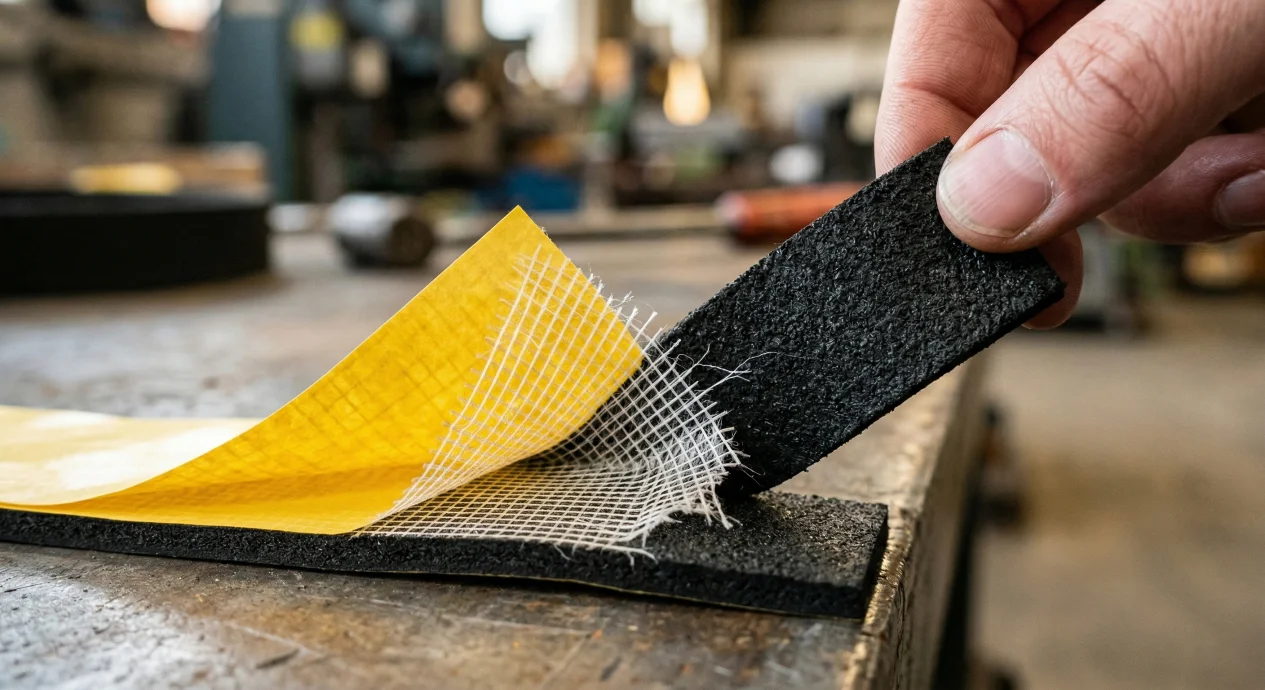
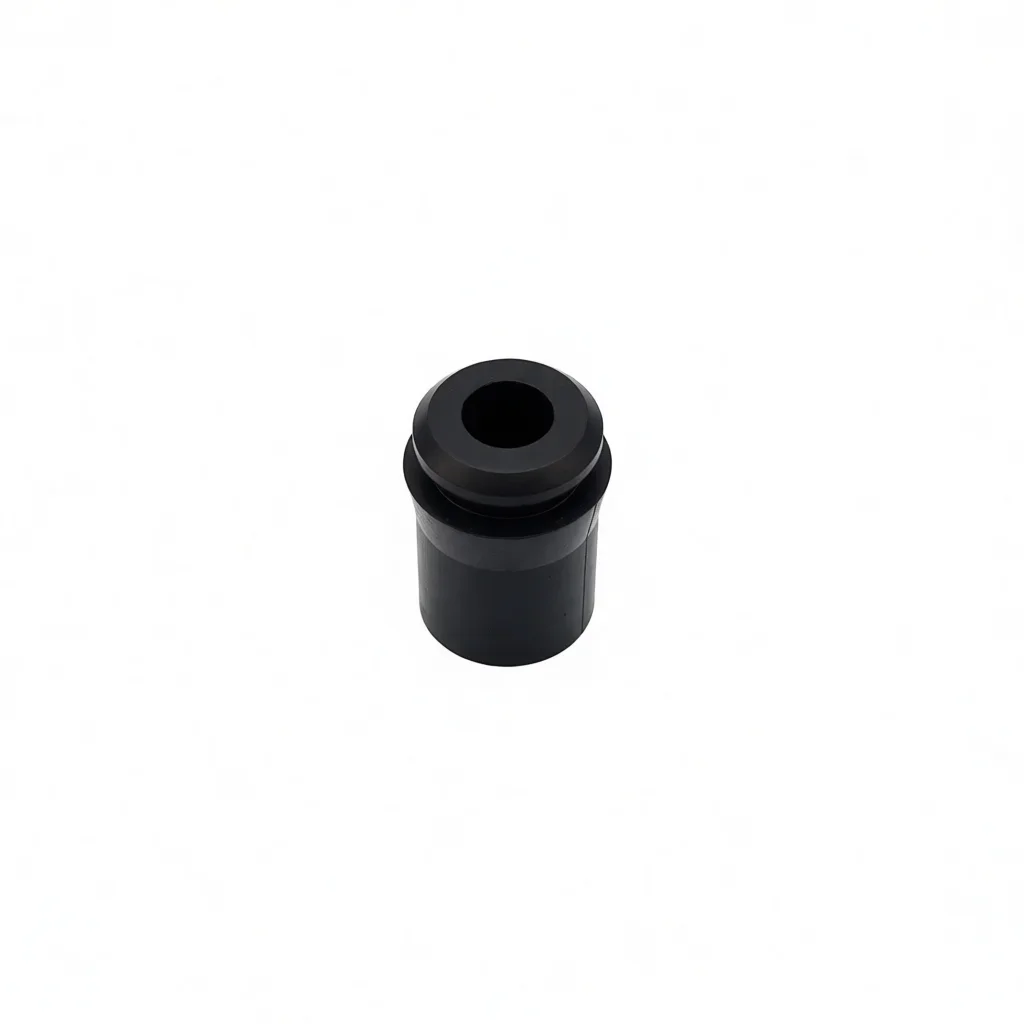
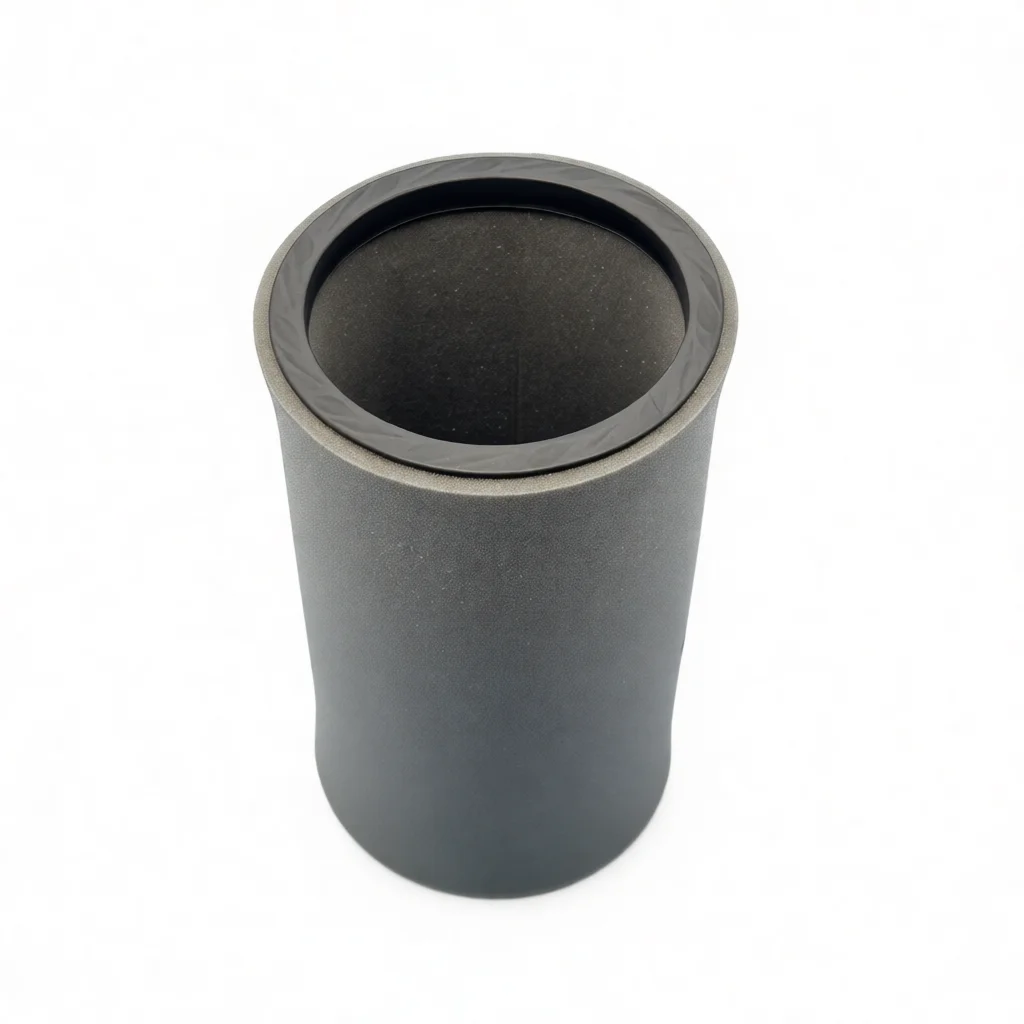
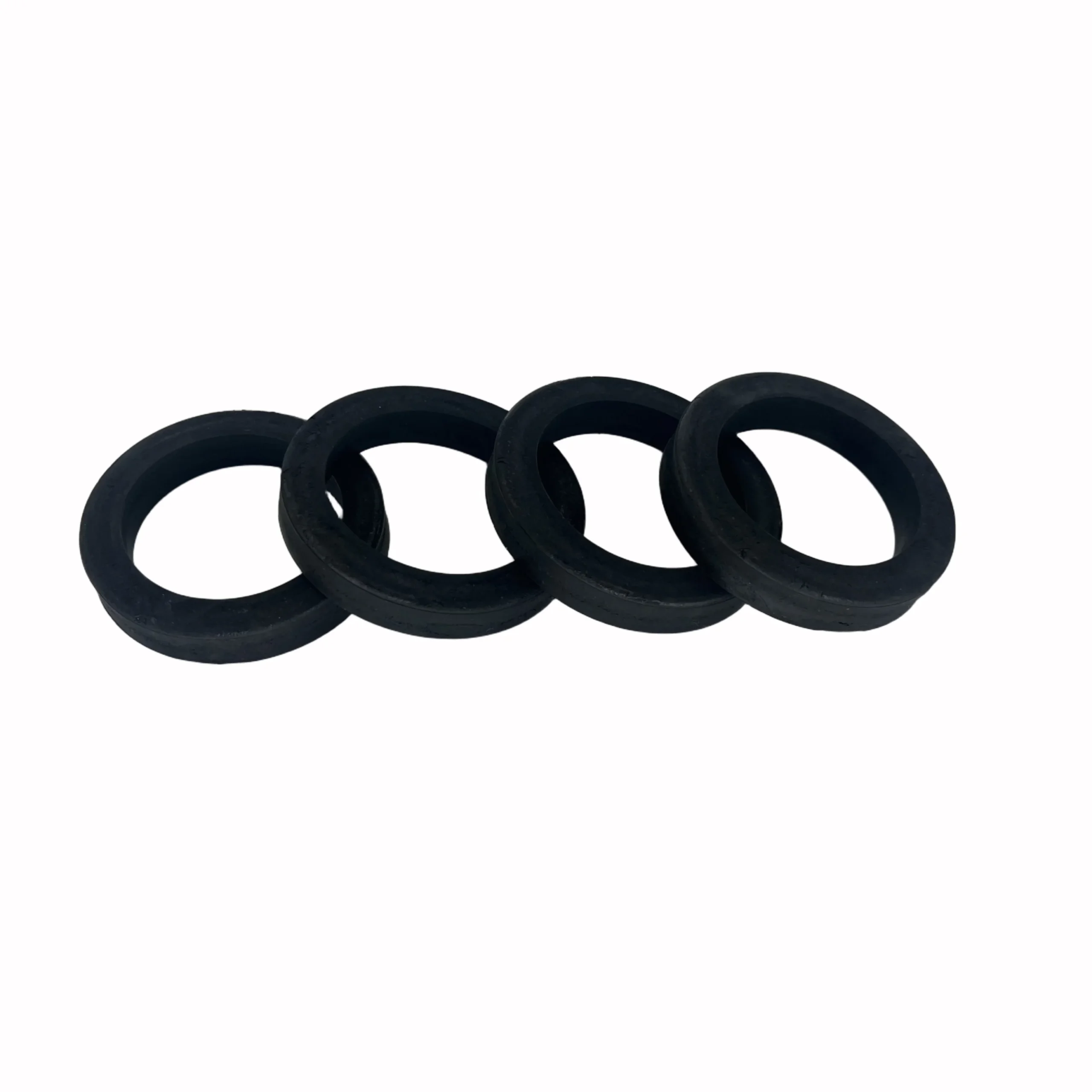
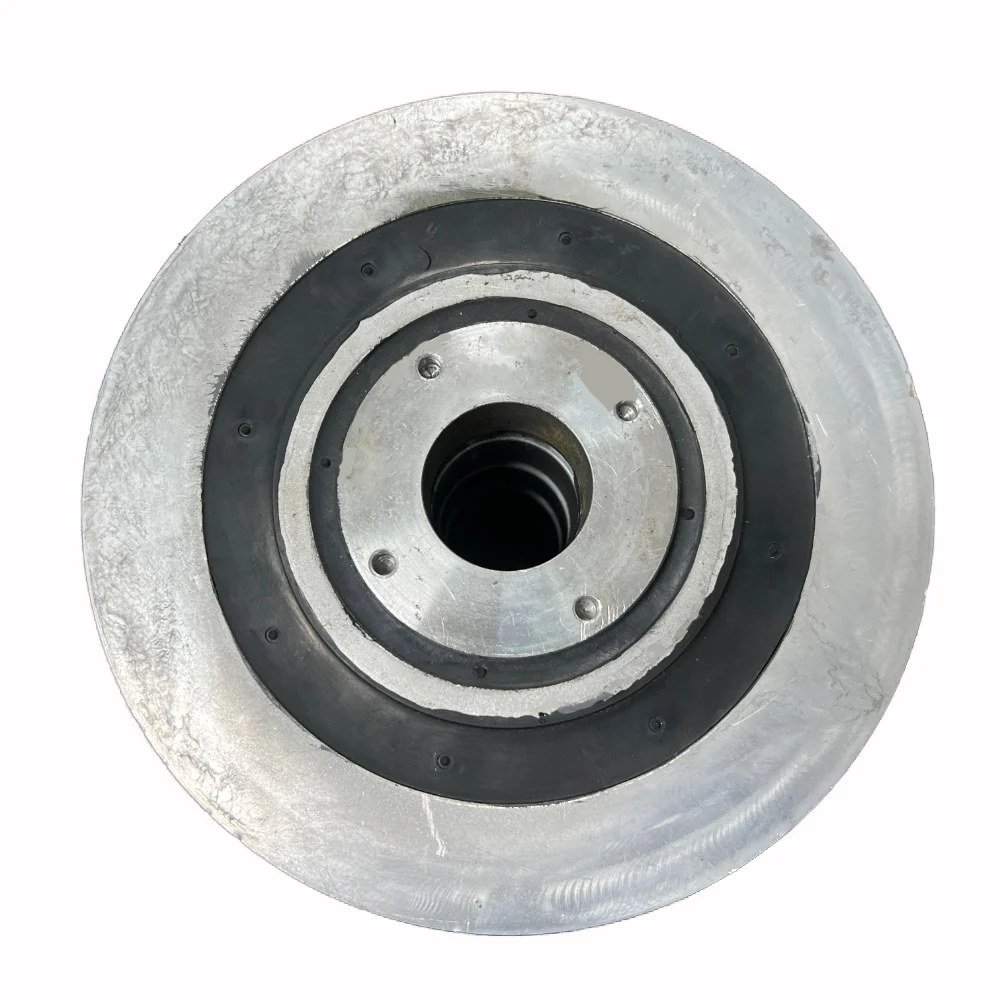
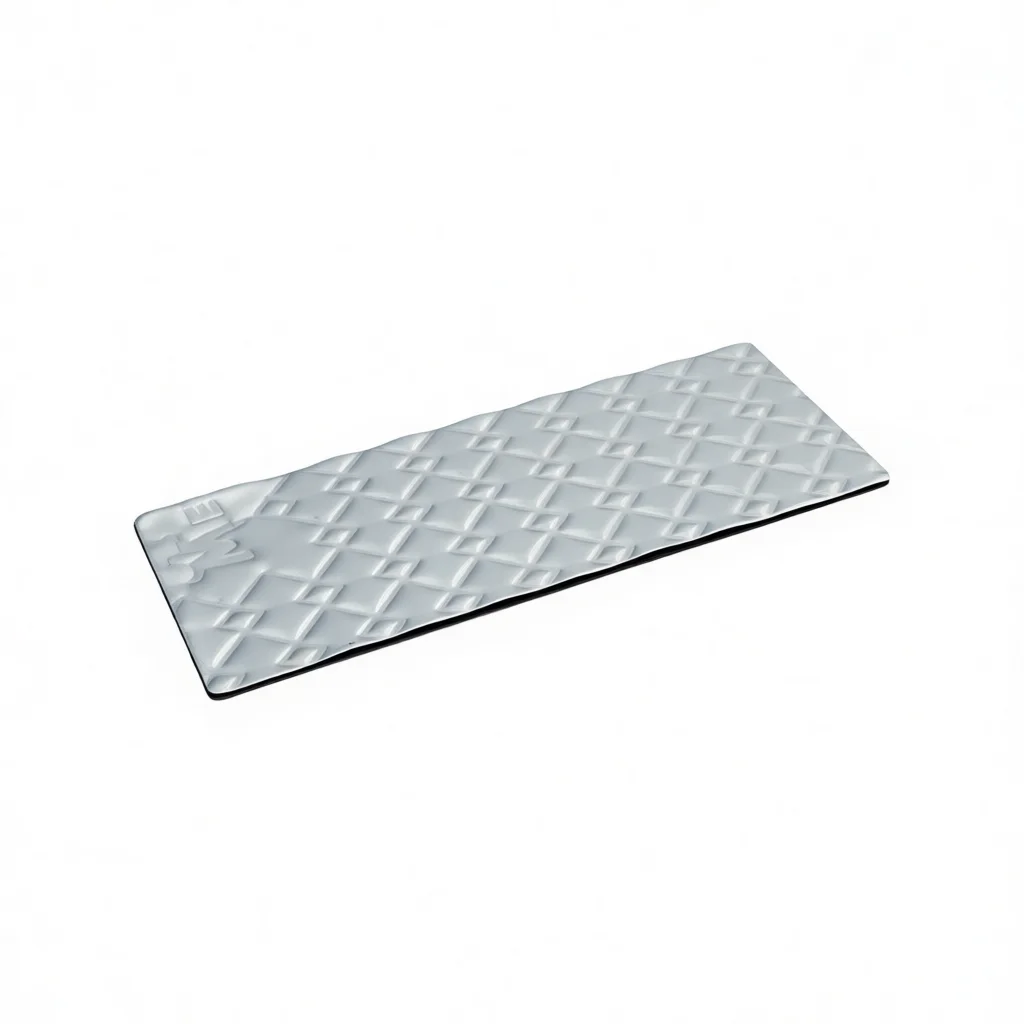
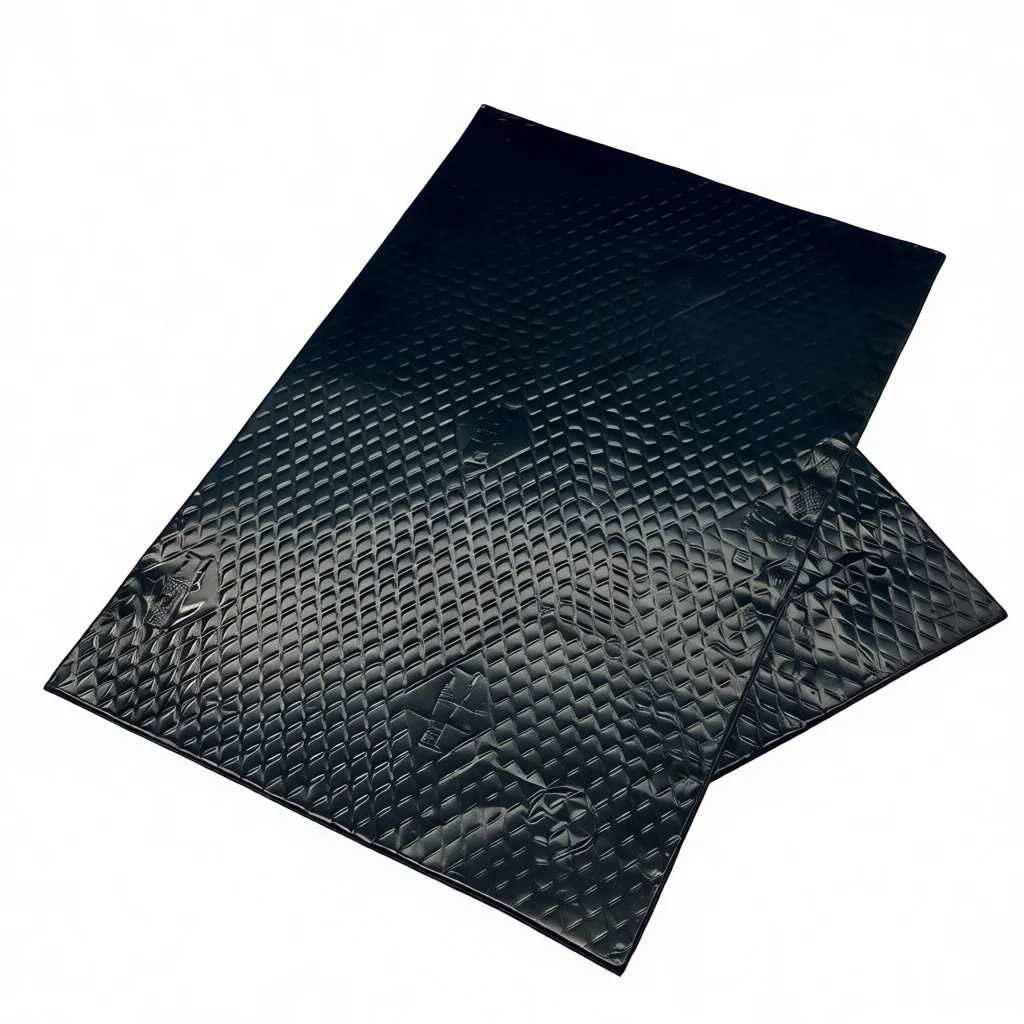
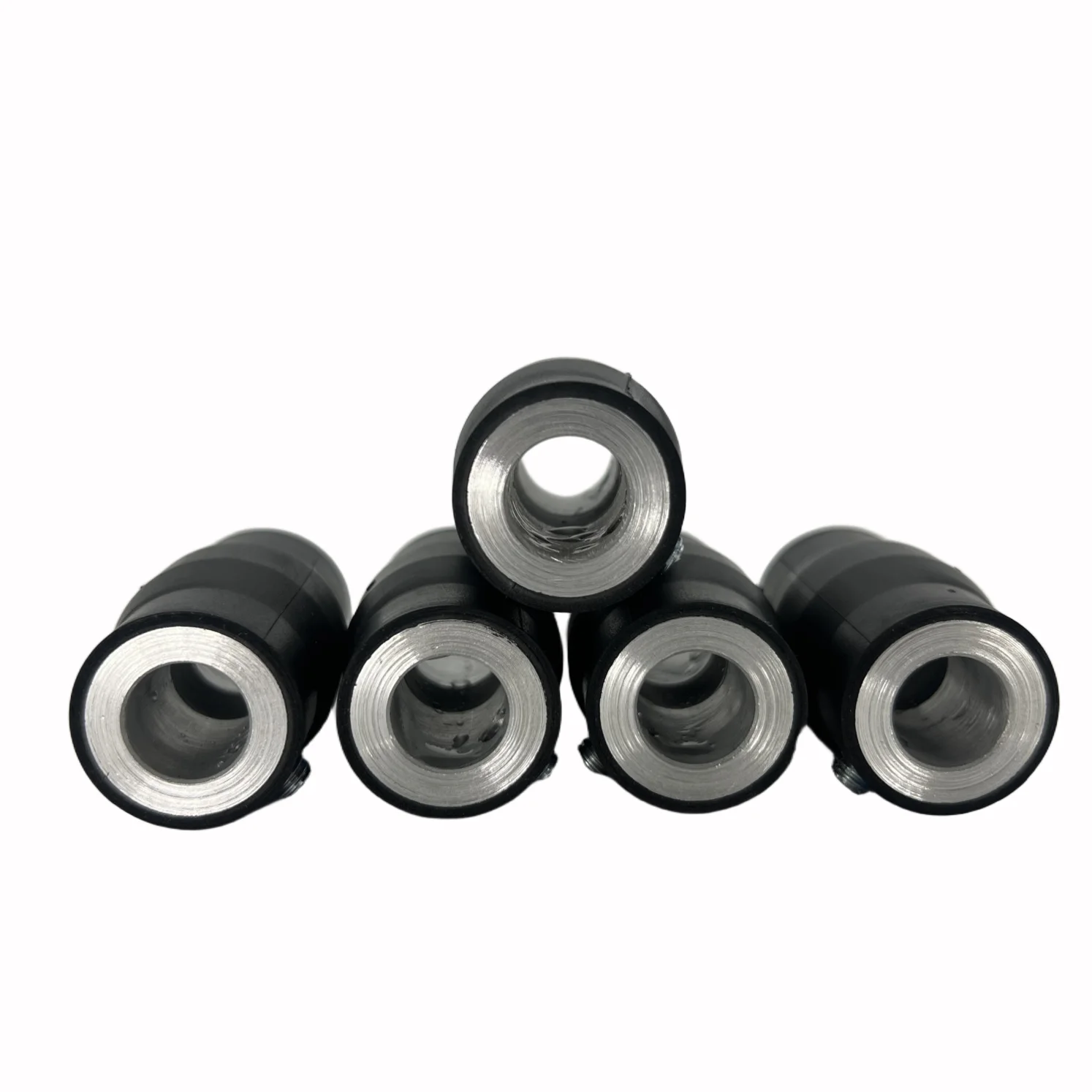
So, what makes an NBR pad SECC vibration absorber stand out? It's Tanan MGA the synergy of materials. Nitrile Butadiene Rubber (NBR) is, to be blunt, a workhorse. It boasts fantastic oil resistance, heat resistance, and excellent elasticity, making it ideal for absorbing those pesky shocks and vibrations. But here’s the clever bit: combining it with SECC (Steel Electrogalvanized Cold-rolled Coil) – often as an aluminum Tananoy insert via a thermal bonding integrated molding process – gives you a composite material that offers the best of both worlds: the flexible, energy-absorbing properties of NBR, coupled with the structural integrity and durability of metal.
This isn't just MGA sticking two things together; it's a meticulously engineered process. The thermal bonding ensures a truly integrated component, eliminating weak points and maximizing the damping effect. This is crucial for Aplikasyons where dynamic loads are constant, and failure simply isn't an option. Many customers I've spoken with say this integrated design makes a world of difference in real-world longevity.
Key Performance Indicators for an NBR+SECC Pad
Feature | Specification |
Core Material | NBR (Nitrile Butadiene Rubber) + CR bonding layer |
Accessory Structure | Thermal bonding / Aluminum Tananoy inserts |
Elasticity | High elastic modulus, excellent energy buffering |
Operating Temperature | -40℃ to +120℃ (real-world use may vary slightly) |
Oil Resistance | Resistant to fuel oil, hydraulic oil, lubricating oil |
Fatigue Life | ≥ 1,000,000 cycles under dynamic high-frequency load conditions |
The fact that these pads can withstand such a broad temperature range and heavy-duty use for over a million cycles is quite frankly impressive. It points to robust engineering and quality materials, which is what you want in critical Aplikasyons.
Where These Pads Truly Shine
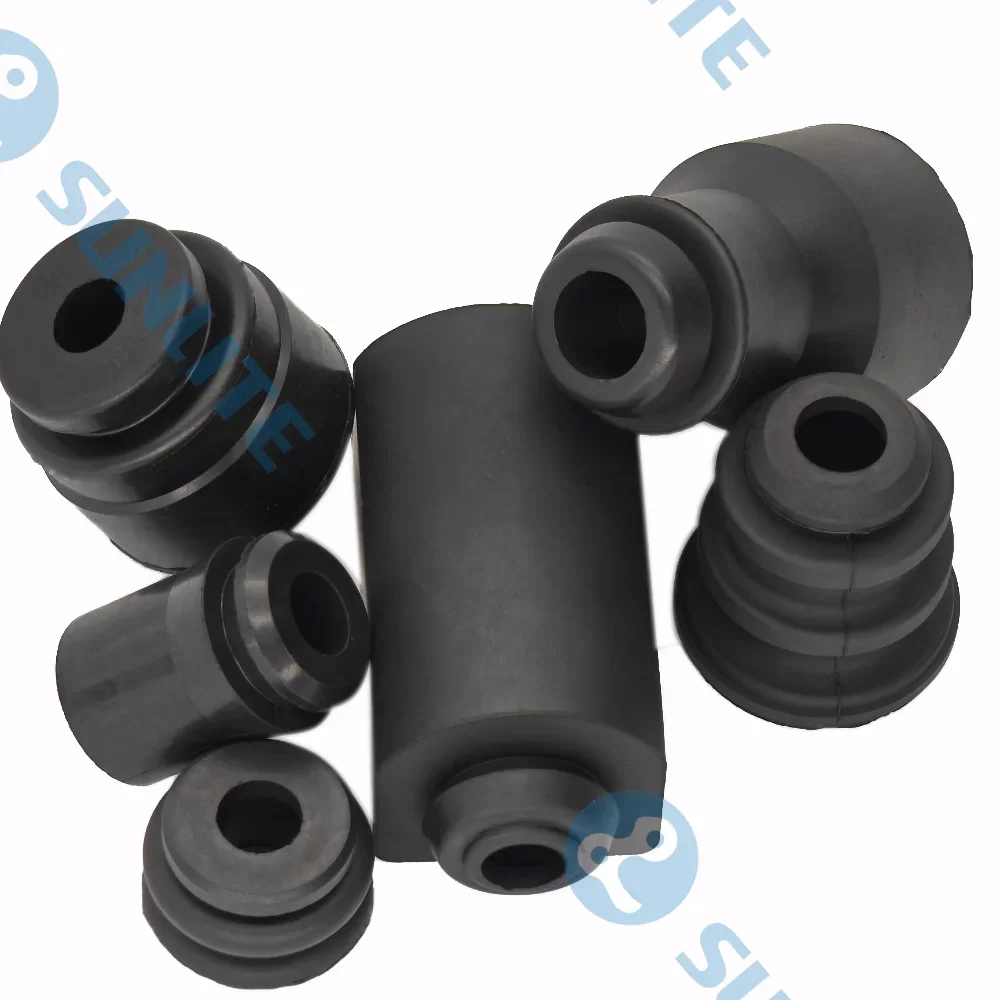
The Aplikasyon scenarios for an SECC rubber damping pad are incredibly diverse. Think MGA it: any system with a motor or fan, especiTanany one experiencing high-speed rotation or frequent start-stops, is a candidate.
· HVAC Systems: From outdoor AC units rattling your windows to indoor units humming, these pads are brilliant for reducing vibration transmission and absorbing mechanical noise.
· Industrial Fans & Motors: Enhancing stability and safety by acting as a flexible connection, buffering rotor impact.
· Compressors: Extending service life by buffering impacts at instTananation points.
· CNC Equipment & Precision Motors: Crucial for maintaining positioning accuracy during rapid operations. No one wants a wobbly CNC machine!
· Agricultural Equipment & Power Tools: Improving operational comfort and protecting structural components from constant vibration.
What's fascinating is how these pads contribute to dynamic balance, which is often overlooked. For fan blades and rotating shafts, maintaining balance is paramount to avoid asymmetric wear and catastrophic failure. The ability of NBR to convert vibration energy into thermal energy is also a smart way to manage noise – effectively silencing the system from within.
Choosing Your Damping SOLUSYON: A Quick Look
When considering damping Mga solusyon, you have options, but not Tanan are created equal. Here's a quick, general comparison:
Damping Type | Key Features | Best For | Considerations |
Basic Rubber Pads (e.g., SBR) | Simple, low cost, decent vibration absorption. | Light-duty, non-critical Aplikasyons, general buffering. | Limited oil/heat resistance, shorter lifespan. |
Spring Isolators | Excellent for low-frequency isolation, high deflection. | Large, heavy machinery with significant movement. | Can be bulky, prone to resonance at certain frequencies. |
NBR+SECC Damping Pads | High-elasticity, oil/heat resistant, durable, integrated metal structure. | High-load, high-frequency vibration, precision equipment, harsh environments. | Higher initial cost, but long-term ROI is significant. |
It seems pretty clear where the NBR vibration damping pad shines, especiTanany when you factor in long-term performance and reliability. Vendors focusing on these advanced materials often offer customization options too, tailoring the pad's dimensions or durometer (hardness) to specific load requirements and mounting configurations. This can be a huge benefit for specialized industrial machinery.
Quality, Standards, and the Bottom Line
When you're dealing with components that are literTanany holding your system together and absorbing its destructive energies, quality isn't just a buzzword; it's a necessity. Look for suppliers who adhere to authoritative standards (like ASTM or ISO) for material testing and manufacturing processes. Sertipikasyons aren't just paper; they're a commitment to consistency and performance. A robust manufacturing process, including stringent quality checks on the NBR compound and the thermal bonding process, directly translates into the specified fatigue life and overTanan service life. UltimaTely, investing in a high-quality NBR pad SECC vibration absorber isn't an expense; it’s an investment in the longevity and efficiency of your entire system.
References
1. ASTM International. (n.d.). Standards for Rubber, Carbon Black, and Gaskets. Retrieved from https://www.astm.org
2. ISO (International Organization for Standardization). (n.d.). Mechanical vibration and shock standards. Retrieved from https://www.iso.org
3. Norton, R. L. (2019). Machine Design: An Integrated Approach (6th ed.). Pearson.
Let's be honest, few things are as irritating as persistent, rattling vibration or that low-frequency hum emanating from machinery.